


BeePass VPN: Easy & Secure
3.61.48K Reviews
App Specs
- Version
- Varies with Device
- Updated On
- License
- Free
- Downloads
- 10,000,000+
- Developer
- BeePass VPN Team
- Categories
- Tools
- Platform
- Android
Screenshots
 Analysis by AppCompare
When I think about a VPN, I’m not only asking whether it can make a connection; I’m also asking whether I can understand what it’s doing when I’m distracted, in a hurry, or using a phone in an unfamiliar place. BeePass VPN: Easy & Secure is a free Android and iOS tools app from BeePass VPN Team, and its appeal is the promise of a straightforward route to a more private connection. It has an average rating of 3.6 from around 35,000 ratings, with over 10 million installs, so plenty of people have tried it, though popularity alone can’t tell me whether it suits a particular person’s needs.
Using BeePass in everyday situations
I find a VPN easiest to use when I decide what I need it for before opening the app: checking a booking on station Wi-Fi, for example, calls for a quick connection check, while troubleshooting a stalled page calls for patience rather than repeated taps. Thinking through that small routine can make the experience calmer and more deliberate, and it leads naturally to how the controls feel to use.
Readability and navigation
Let’s chat about an app that’s been buzzing around lately—BeePass VPN: Easy & Secure. If you’ve ever found yourself stuck in a coffee shop with dodgy Wi-Fi or you’re just a little paranoid about who’s peeking at your data, this app might just be your new best friend. I’ve taken it for a spin, so let’s dive into the nitty-gritty.
First things first, BeePass VPN isn’t just another app in the crowded VPN marketplace. It’s got some sweet features that make it super user-friendly and, well, pretty darn secure. I mean, it’s right there in the name! The app promises easy access to secure browsing, which is music to my ears, especially for those days when I’m working on the go.
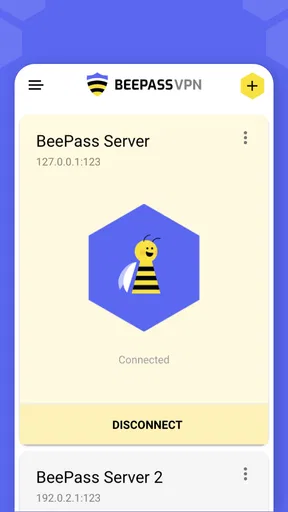
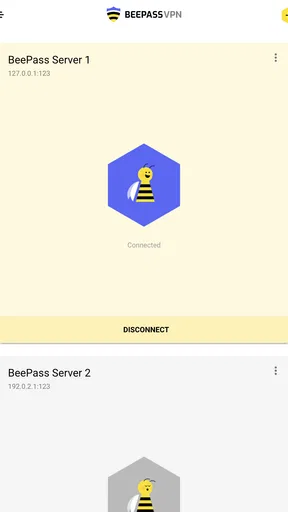
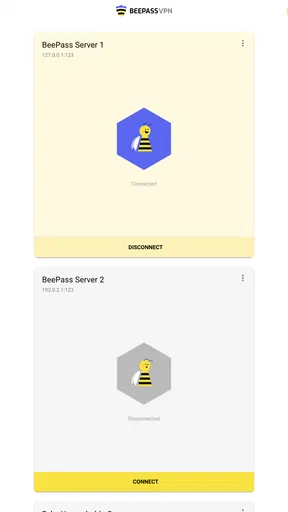
Getting started with BeePass VPN is a breeze. I downloaded it and had it running in under five minutes. The interface is neat and uncluttered, which means you don't need a degree in tech to figure it out. Just a few taps and you’re good to go. I love how it doesn’t bombard you with too many options; it just gets the job done.
That simplicity is useful if you only want to connect before opening a browser or checking messages. A sparse screen can reduce decision-making, but it also means I’d encourage new users to pause long enough to understand the connection state rather than treating a single tap as proof that every app is protected. A VPN is most useful when I know when it is active and can tell when I need to reconnect.
Motor and sensory considerations
A simple interface can be easier to manage on a small phone screen, especially for someone who prefers fewer choices and a short route to the main task. I also find that uncomplicated navigation matters when I’m carrying a bag, standing in a queue, or trying to connect with one hand. Still, simplicity is not the same as accessibility for everyone: people who rely on screen readers, enlarged text, switch controls, or other assistive settings should check how the current app behaves on their own device before depending on it.
Worth Reading Before You Choose

EA SPORTS FC Mobile 26 Is a Bigger Football Game, but It Takes Time

Flipboard Shows What News Apps Must Do Beyond the Feed

Switching to Android Auto Means Rethinking Your Driving Routine

Google Calendar Makes a Crowded Week Easier to Manage

Ludo King Makes the Most of the Minutes Between Plans

Baby Panda World Brings Quick Play to Modern Phones, but Its Game Library Feels Busy
For anyone who has difficulty with repeated taps, the most helpful approach is to make VPN use part of an existing routine: connect before starting a public Wi-Fi session rather than remembering halfway through. If the app’s controls are hard to distinguish or reach on your screen, built-in operating-system accessibility settings may help, but they cannot guarantee that every control will be comfortable or clearly announced. I would treat a quick personal test as essential, rather than assuming that an uncluttered layout works equally well for every ability.
Situational access and server choice
Once you’re in, you can choose from a list of server locations. This is perfect for bypassing those pesky geo-restrictions. I tested it out with a couple of streaming services, and boom, no more “This content is not available in your country” messages. Sweet freedom!
For everyday use, I’d choose a location based on the task instead of changing servers at random. A nearby option is a sensible first try when I care about responsive browsing, while a different location may make sense when I need to test whether a service is available elsewhere. Streaming platforms can change how they handle VPN traffic, so access should not be treated as guaranteed; if a service refuses to play, switching locations or using the service without a VPN may be the practical answer.
Consider a familiar travel-day situation: I arrive at a station, connect to its public Wi-Fi, and need to check a booking or send a work message. I would turn on the VPN before entering account details, then confirm the connection is active before continuing. If a payment or sign-in page behaves oddly, I’d pause rather than repeatedly retrying sensitive actions; I can disconnect and use a trusted mobile connection instead. That small decision is more useful than assuming a VPN makes every public network or transaction risk-free.
Security claims and practical limits
Now, let’s talk security, because let's face it, that’s why most of us are here. BeePass VPN uses top-notch encryption to keep your data under lock and key. It’s like having a personal bodyguard for your online activities. I felt a lot safer knowing that my information wasn’t just floating around in cyberspace.
One feature I particularly liked was the kill switch. If your connection drops for any reason, this nifty tool ensures your data doesn’t get exposed. It’s like an insurance policy for your privacy. Plus, there’s no logging of your browsing activity, which is a massive win for privacy enthusiasts like myself.
I would still keep a VPN in perspective. It can help protect traffic between a device and the VPN service, but it does not make phishing messages safe, stop someone from tricking me into sharing a password, or replace careful account security. I’d use unique passwords and sensible sign-in habits alongside it. People choosing a VPN mainly for confidential work or a formal privacy requirement should examine the service’s current privacy terms and decide whether those details meet their own standard, rather than relying on reassuring wording alone.
Performance, interruptions, and alternatives
Alright, let’s address the elephant in the room—does using a VPN slow down your internet speed? With BeePass VPN, I didn’t notice any major lag. Streaming, downloading, and casual browsing were smooth as butter. Of course, speed can vary depending on the server you choose, but overall, it was a seamless experience.
In practice, speed is not a fixed promise: distance, the network I’m using, and the chosen server can all affect how a connection feels. If a video starts buffering or a call becomes choppy, I’d first try a closer location and compare the experience with the VPN off. That simple check helps me tell whether the slowdown is tied to the VPN route or to a weak café or hotel connection. For a time-critical video meeting, I may prefer a trusted mobile network over troubleshooting several server choices.
Compared with many VPN apps that put a long list of technical controls front and center, BeePass’s appeal is the uncomplicated experience described here. That can be a better fit for occasional browsing protection than a service chosen for extensive configuration or detailed network management. The trade-off is that people who want to inspect many settings, tune a connection for specialized work, or make decisions from detailed technical information may prefer a more configurable alternative. I would choose based on the task, not on the assumption that one VPN is best for everyone.
Extra controls and useful habits
BeePass VPN comes with a few extra goodies that I didn’t expect but totally appreciated. For instance, there’s a split tunneling feature. This allows you to choose which apps use the VPN and which don’t. Handy if you want your banking app to stay local but still need to stream that out-of-region content.
Split tunneling is worth using deliberately. It can prevent a VPN route from interfering with an app that works better on a local connection, but it also means not every app is taking the same path. Before relying on it, I’d check which apps are included and keep sensitive browsing within the protected route. For someone who does not want to manage exceptions, leaving traffic on one consistent connection may be simpler than trying to remember which apps were excluded.
There’s also a handy auto-connect feature. If you’re like me and often forget to turn on your VPN, this is a lifesaver. It automatically connects you to the VPN whenever you connect to Wi-Fi, which is perfect for those of us who are a bit forgetful.
Auto-connect is especially useful for people who move between home, work, and public networks and want fewer reminders to manage. I’d still make a habit of checking the connection after a network change, since a Wi-Fi connection and an active VPN connection are not the same thing. If an app or site stops working, briefly checking whether the VPN is involved can save time; I can then change the server or temporarily disconnect when the task requires it.
Who is likely to find it useful?
I see BeePass as a reasonable candidate for someone who wants a free, approachable VPN for ordinary browsing and occasional use on shared Wi-Fi. It may also suit a person who values a short setup and does not want to adjust lots of network options. The Everyone age rating makes it broadly accessible by age, but that should not be confused with a guarantee that the service fits every family’s privacy needs or every person’s accessibility requirements.
It is less compelling for someone who needs a VPN as part of a strict workplace security setup, wants extensive technical control, or must be certain that a particular streaming service will always work through a VPN. In those cases, I’d compare providers based on their current policies, available controls, and compatibility with the exact services involved. A paid or more specialized alternative may be more appropriate if its documented capabilities better match those requirements; free access by itself is not a reason to overlook the fit.
BeePass VPN is free, and its broad reach—more than 10 million installs—makes it easy to understand why people give it a try. Its average rating of 3.6, drawn from around 35,000 ratings and about 1,500 written reviews, also suggests that a prospective user should make their own assessment rather than treating general popularity as a personal recommendation. It was released on September 30, 2020, and the developer is BeePass VPN Team. I would check the current app experience on my own device, since software can change over time.
My inclusive verdict
So, is BeePass VPN worth it? If you’re looking for a reliable, easy-to-use VPN that doesn’t compromise on security, I’d say give it a whirl. It’s got the features you need without the fluff you don’t. Whether you're a casual user or someone who needs a bit more from their VPN, this app covers the bases pretty well.
Overall, I’ve been pretty impressed with what BeePass VPN offers. It’s straightforward, effective, and definitely gives you peace of mind when browsing the wilds of the internet. So, if you’re in the market for a new VPN, maybe let BeePass buzz its way into your app collection!
My recommendation comes with a practical qualification: I’d start with a low-stakes browsing session, learn how the connection and server selection behave on my phone, then decide whether it feels clear and comfortable enough for regular use. For users who can navigate it easily and mainly want a simple extra layer on everyday networks, that is a sensible way to try it. If its controls do not work well with your access needs, or your situation calls for detailed, independently assessed privacy assurances, I’d choose a service that better answers those specific needs.
Pros
- User-friendly interface for seamless navigation.
- Strong encryption ensures data privacy.
- Fast connection speeds with minimal lag.
- Multiple server locations for global access.
- No-log policy enhances user security.
Cons
- Limited free version features.
- Occasional server disconnections.
- Ads in the free version can be intrusive.
- Requires account setup for use.
- May slow down older devices.
FAQs for BeePass VPN: Easy & Secure
What is BeePass VPN: Easy & Secure, and how does it work?
BeePass VPN: Easy & Secure is a virtual private network app designed to protect your online privacy and secure your internet connection. It works by encrypting your internet traffic and routing it through a secure server, ensuring that your data remains private and safe from hackers, ISPs, and other unwanted entities.
Is BeePass VPN free to use, or are there any subscription fees?
BeePass VPN offers both free and premium services. The free version provides basic VPN features with limited server access, while the premium subscription unlocks additional servers, faster speeds, and enhanced security features. Users can choose from various subscription plans based on their needs and budget.
On which platforms is BeePass VPN available?
BeePass VPN is available for both Android and iOS devices, providing a seamless experience across platforms. The app is designed to be user-friendly and compatible with most smartphones and tablets, ensuring that users can easily protect their online activities regardless of the device they use.
How secure is BeePass VPN in protecting my data and privacy?
BeePass VPN employs advanced encryption protocols to ensure your data is secure and private. It hides your IP address and internet activity from prying eyes, making it difficult for hackers or third parties to track you online. Regular updates and security audits help maintain the app's reliability and trustworthiness.
Does BeePass VPN impact internet speed or performance?
While using a VPN can sometimes affect internet speed due to the encryption process, BeePass VPN is optimized to minimize these effects. Premium subscribers often experience faster speeds due to access to high-speed servers. However, users may notice slight variations depending on their internet connection and server choice.


